
How a Custom Software Development Company Drives Digital Transformation

Digital transformation means fundamentally reinventing how a business operates and delivers value by adopting modern digital technologies. Today, most organizations are aggressively pursuing this shift – IDC finds ~70% have or plan a transformation strategy, and 74% say it’s a top priority. Yet studies show roughly 70% of these initiatives fail to meet their goals. That’s often because technology alone isn’t enough – you need solutions aligned to unique business needs and strong change management. A custom software development company provides exactly that: tailored, scalable systems (often built on cloud, AI and IoT) that streamline operations, delight customers, and unlock data-driven insights. This article explores how custom software acts as a driver of digital transformation in any industry, covering use cases, tools, and best practices.
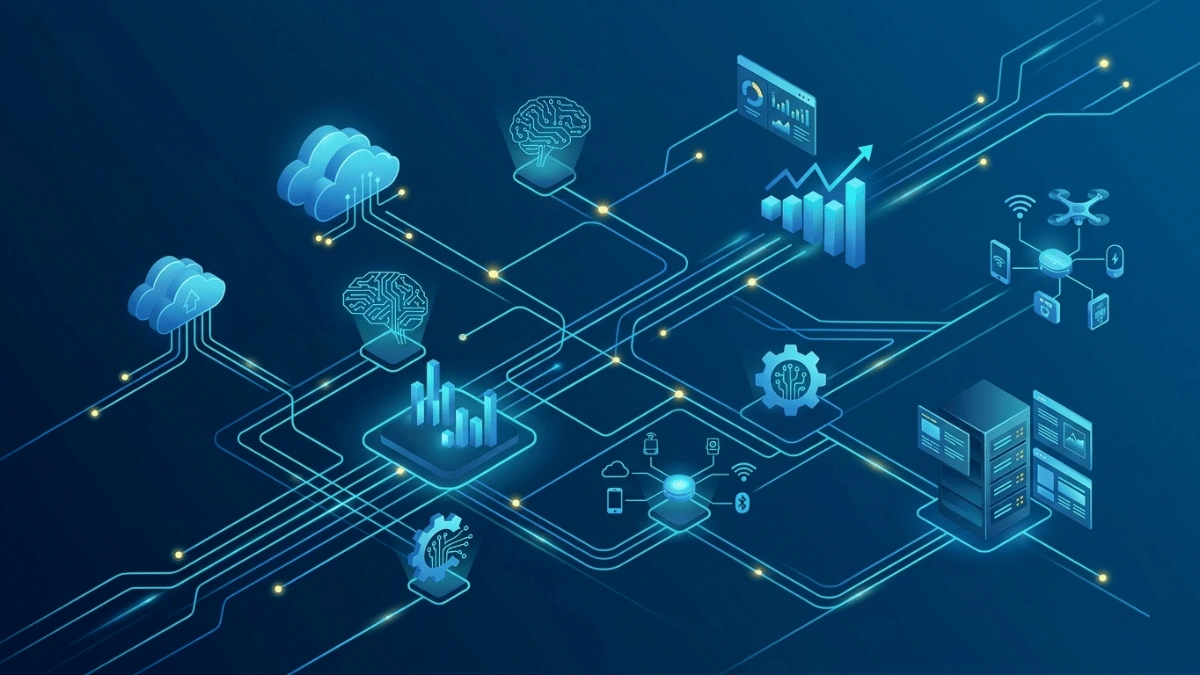
Tailoring Technology to Business Needs
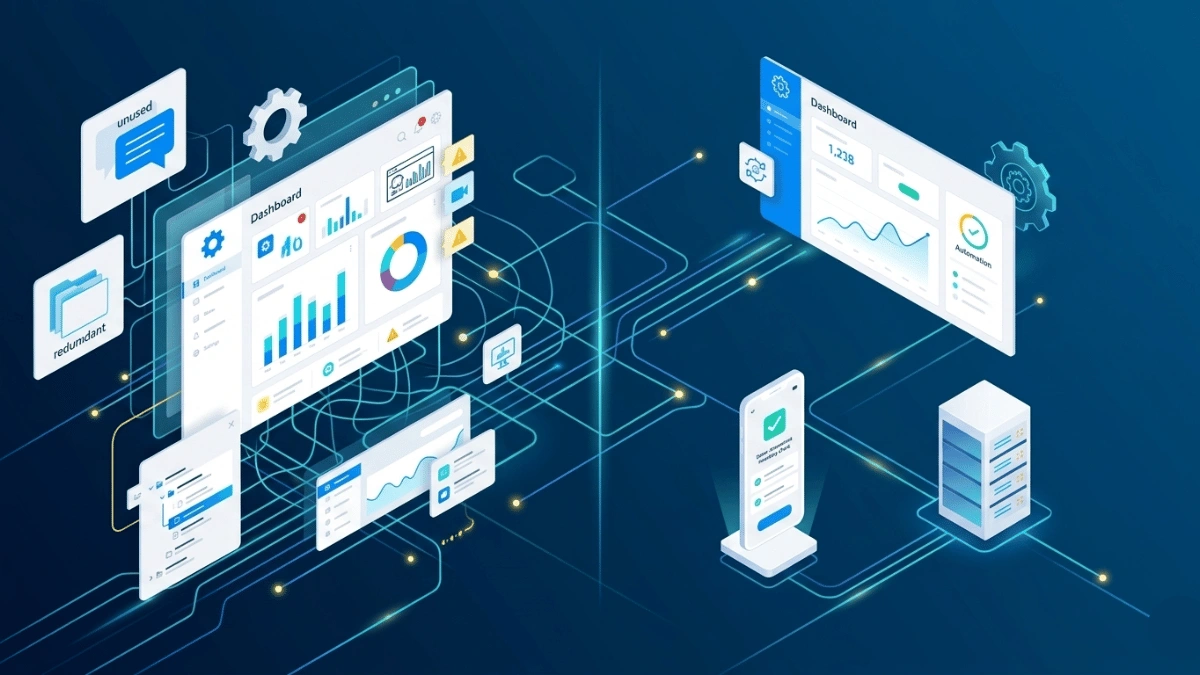
Off-the-shelf software may work initially, but it inevitably includes unused features and forces businesses to adapt their processes to fit the software. By contrast, custom applications are built exactly around an organization’s workflows, goals and constraints. For example, one digital transformation consultancy notes that tailored solutions “meet the exact requirements of a business, ensuring they align perfectly with operational needs and long-term goals”. In practice, this means building only the functionality a company needs – avoiding bloat – and integrating directly with any existing systems or data sources. The result is dramatically improved efficiency and reduced errors, since users only see relevant screens and processes.
One case study highlights this well: a home warranty company replaced its paper forms with a custom app for field agents. After digitization, on-site paperwork time was cut by 12× and lead data was delivered to sales reps in half the time. This kind of efficiency gain is typical of tailored software. As Travash Software Solutions explains, custom software “is designed with a clear understanding of the organization’s goals, workflows, and challenges,” rather than generic features. In short, by tailoring technology to business needs, organizations eliminate needless features and ensure every part of the system serves a purpose, directly driving transformation through higher productivity and fit-for-purpose tools.
Streamlining Workflows and Processes
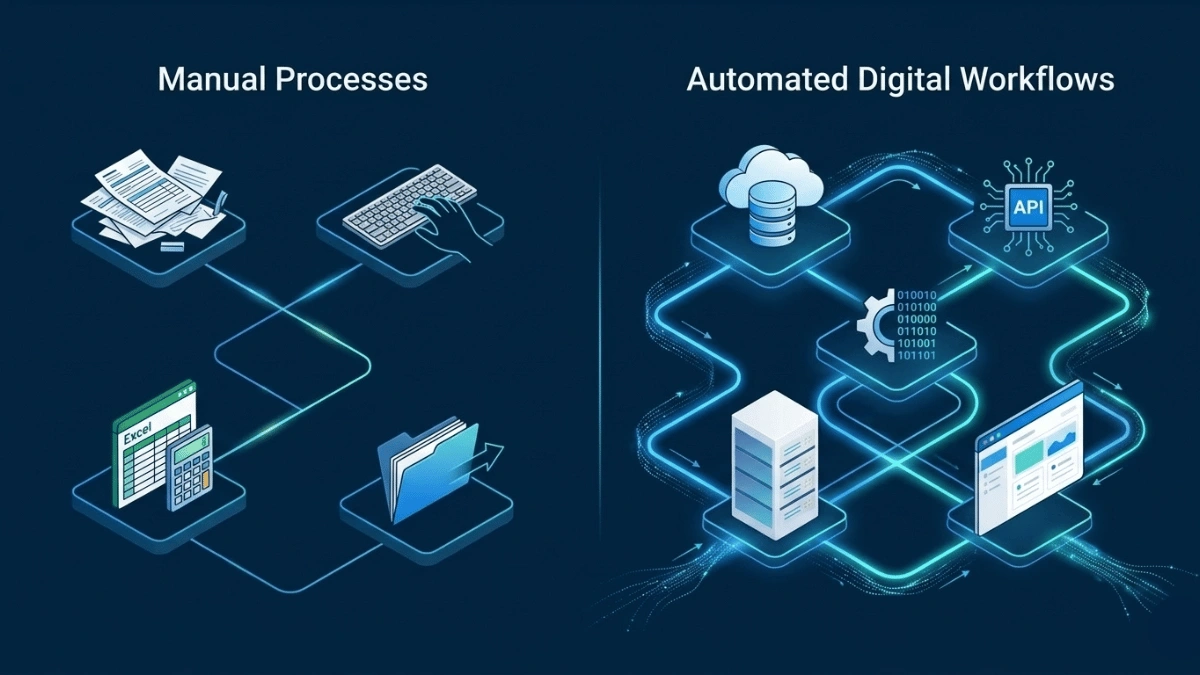
Automation and process integration are core to digital transformation, and custom software excels at both. Custom applications can automate repetitive tasks and link disparate systems, creating continuous digital workflows without manual handoffs. This not only reduces errors and delays but also frees employees to focus on strategic work. For example, bespoke software can replace an entire Excel/spreadsheet-based process by integrating directly with databases and APIs. Mindit’s manufacturing case study shows the impact: after building a tailored process-optimization solution, the client saw faster production cycles, reduced delays, and lower costs. In their project analysis, Mindit emphasizes “Streamlined operations result in higher output and lower costs”.
Custom software also eliminates silos by consolidating data and actions. Legacy systems or manual processes often require double entry or waiting for email/Fax handoffs. A custom solution can provide a single interface that touches every needed system – automating routine steps in between. As one industry blog notes, custom development helps “streamline processes, automate tasks, [and] link systems,” making operations faster and less error-prone. In a digital transformation context, this means entire end-to-end processes (order-to-cash, inventory management, claim handling, etc.) can be redesigned as automated pipelines. Not only is each step faster, but real-time monitoring and alerts can be added on top, enabling a continuous improvement cycle.
In practice, working with an experienced custom software firm often yields dramatic workflow gains. Across industries, organizations report 25–40% improvements in operational efficiency after digitizing core processes. For example, automating a warranty claim process might eliminate days of backlog, while integrating IoT sensor data with maintenance software can prevent downtime before it happens. Each automated step and integrated system compounds efficiency. By streamlining workflows through custom software, businesses lay the groundwork for true digital transformation – replacing manual bottlenecks with fast, consistent, and auditable processes.
Enhancing Customer Experience
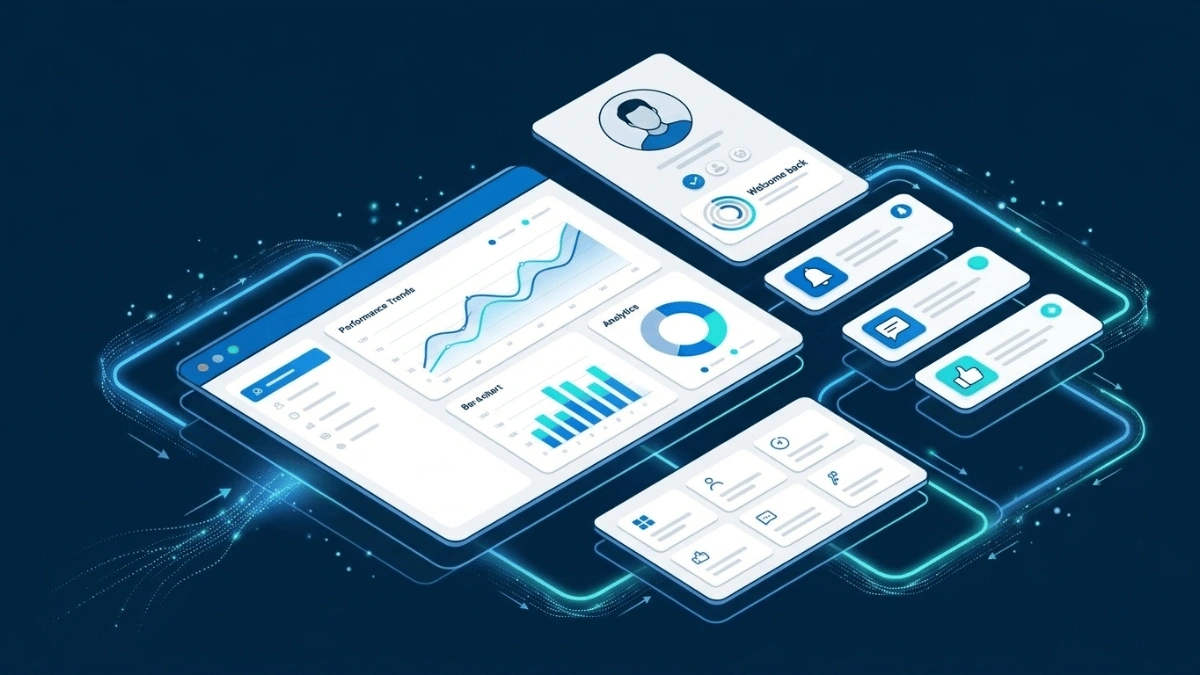
Customer expectations today revolve around convenience, speed, and personalization – areas where custom software can excel. Because the solution is built specifically for the company’s brand and users, it can offer a user experience (UX) tailored to the audience’s needs. For instance, customer-facing portals or mobile apps can be designed with the company’s exact service process in mind (without compromises of generic software), enabling features like personalized dashboards, 24/7 self-service, or seamless booking flows. Travash highlights this benefit: “by developing user-friendly interfaces and personalized features, businesses can exceed customer expectations”. In other words, a custom UI/UX can create more loyalty and satisfaction than a one-size-fits-all interface.
Custom software can also collect and use customer data in more intelligent ways. Off-the-shelf tools might only let you capture limited information, but a tailored solution can gather exactly the right data points. That enables features like contextual recommendations, dynamic content, or instant support. For example, a custom reservation system could automatically offer upgrades to frequent users or adjust pricing in real time based on demand – capabilities rarely found in generic platforms. As GCD Tech notes, custom systems “optimize the entire user journey… helping deliver personalized experiences” that boost engagement. They cite a parking business that transformed its booking system, using custom tech to streamline the online reservation process and improve user convenience.
Finally, custom software can integrate new customer channels (chatbots, social media, etc.) seamlessly. By bridging disparate touchpoints, businesses can meet customers wherever they are. In retail, for instance, IoT and mobile integrations have created omnichannel experiences (as we discuss below). Overall, custom development empowers companies to differentiate their customer experience – turning technology into a competitive asset, not a liability.
Integrating and Leveraging Artificial Intelligence
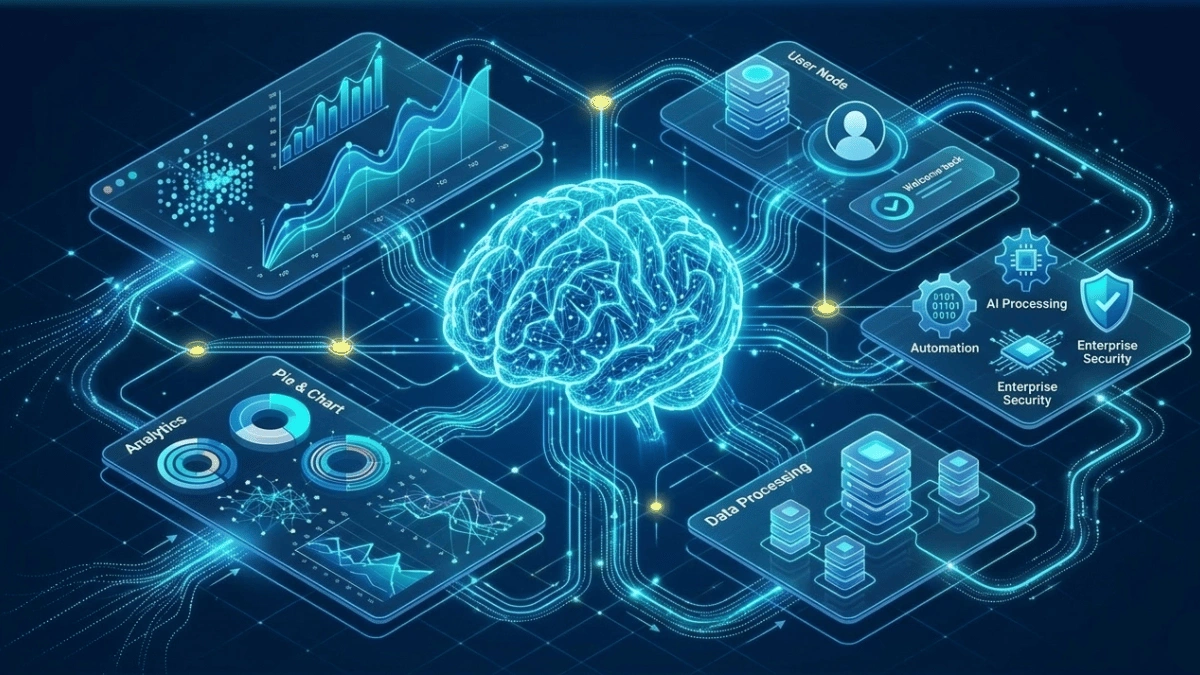
Artificial intelligence (AI) and machine learning are no longer optional, and custom software provides the vehicle to embed intelligence into business operations. Modern custom solutions increasingly include AI-driven features – from predictive analytics to smart automation. As one industry analysis puts it, AI has “moved from ‘feature’ to foundation,” redefining what software can do. In practice, this means custom apps might incorporate ML models for demand forecasting, NLP chatbots for support, or computer vision for quality control, all tuned to the company’s data and objectives.
The rationale is clear: data volumes are exploding (IDC projects ~180 zettabytes by 2025), and businesses need AI to make sense of it. Gartner predicts that by 2026, 70% of enterprises will adopt AI-driven automation just to stay competitive. Custom software developers can implement these AI tools directly within business applications. For example, by integrating AI-based analytics, a bespoke system can flag anomalies in real time or recommend next actions to staff. The Travash blog highlights “improving data analytics” as a key role of custom software – enabling actionable insights from vast data sets.
Similarly, machine learning can power personalized customer experiences (dynamic content, product recommendations) when integrated into custom apps. Chatbots and virtual assistants, tailored to a company’s knowledge base, enhance service without needing human agents 24/7. Even security can benefit: custom code can include AI models that detect fraud or intrusions specific to the business. In short, AI/ML transforms custom solutions from static tools into adaptive, intelligent platforms. The future is clear: one survey of IT leaders found that nearly all digital solutions will include AI components. By working with a software development partner, businesses can ensure their custom applications leverage machine learning and AI to automate complex decisions and surface insights at scale.
Harnessing Data for Informed Decision-Making
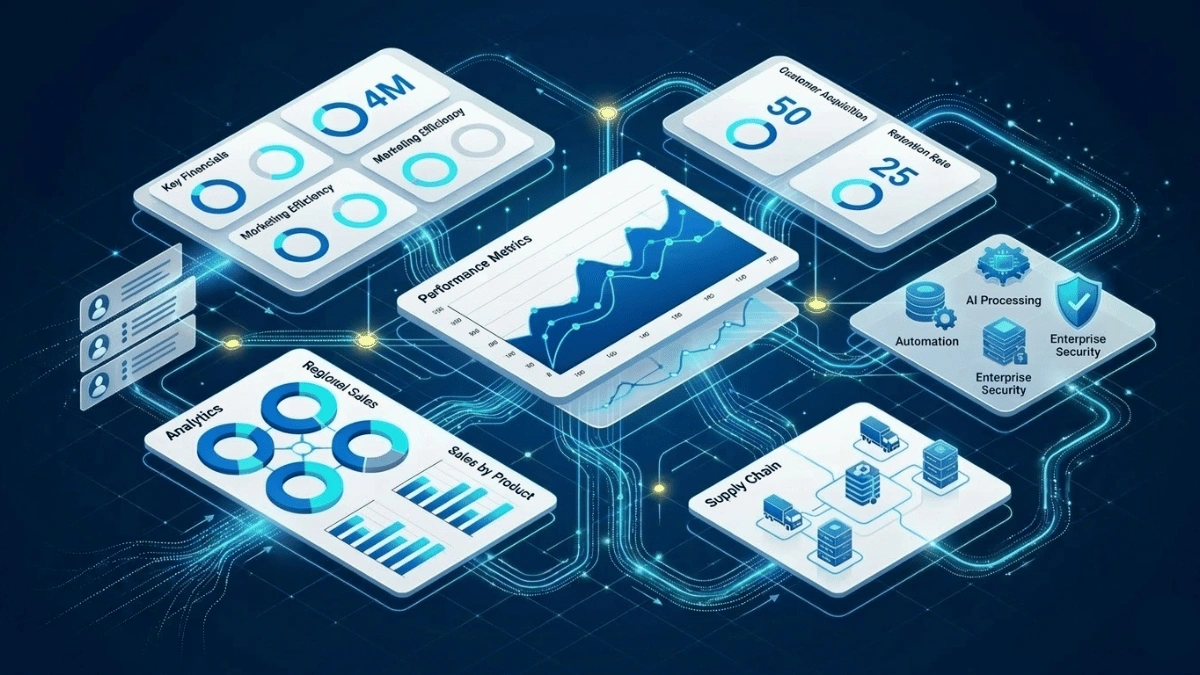
Data is the fuel of digital transformation, and custom software is the engine that processes it. By consolidating data from internal systems, IoT devices, and external sources into tailored dashboards and models, businesses gain clarity and foresight. Custom platforms can include real-time analytics and reporting tools precisely aligned with key performance indicators. For instance, instead of manually piecing together spreadsheets, a custom dashboard can show end-to-end metrics (sales pipeline, equipment uptime, inventory levels) instantly. This visibility “helps drive consistent improvements,” as one case study notes.
According to industry research, leading companies use such unified data views to make fast, evidence-based decisions. As one consultant blog explains, digital transformation initiatives commonly “consolidate fragmented data sources into unified analytics environments,” enabling real-time insight and predictive forecasting. This might include integration with business intelligence (BI) tools or embedding analytics in the application itself. In practice, custom development ensures the data model matches the organization’s unique logic – for example, merging CRM and ERP data in a way that off-the-shelf BI software often can’t.
Market data underscores the importance of analytics. Gartner forecasts the global cloud analytics market will grow ~18% annually to $147 billion by 2032, reflecting businesses’ hunger for data-driven insights. Custom solutions make this possible by feeding clean, consistent data into analytics engines. In manufacturing, for example, IoT sensors stream data into custom reporting tools for predictive maintenance. In retail, sales and customer data can be fed into ML models for dynamic pricing. The bottom line: bespoke software ties together data, analytics, and operational systems so that every decision – from strategic planning to daily operations – is backed by timely intelligence.
Adaptability and Scalability
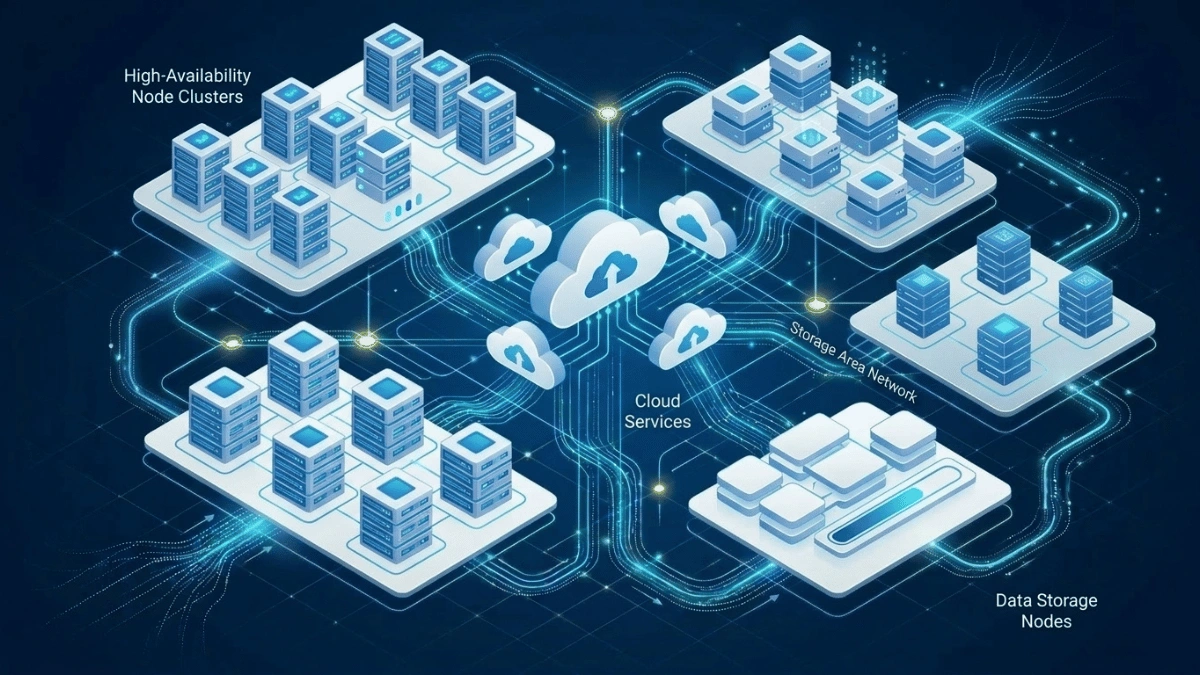 A hallmark of digital transformation is agility – the ability to change quickly as markets evolve. Custom software development inherently supports this by building systems that can evolve. Unlike rigid packaged software, custom platforms are designed from the ground up for flexibility. As Travash notes, scalability is a core benefit: “As businesses grow, their software must evolve to handle increased demands. Custom solutions are designed to scale seamlessly, supporting growth without compromising performance”. This means writing code in a modular, service-oriented way so that new features or users can be added without rewriting the system.
Cloud computing plays a key role here. By deploying custom applications on cloud infrastructure, companies can dynamically allocate resources to meet demand. For example, a web application can auto-scale servers during peak traffic, then scale down to save cost – something a cloud-savvy developer designs into a custom solution. As one technology blog observes, “cloud computing is a major force behind digital transformation, providing companies with the flexibility in disaster recovery and scale they need to innovate”. It further explains that cloud adoption “enables organizations to save costs, expand resources as needed, and access cutting-edge tools” (like AI and IoT services) to accelerate transformation.
Real-world examples highlight this adaptability. One nonprofit charity migrated its old, on-premises CRM to a cloud-based custom system. After the transition, staff could access the system reliably from anywhere and the platform automatically handled more users seamlessly. This “enterprise-grade” cloud architecture meant uptime and performance dramatically improved. In effect, the custom software was built so that adding new branches, remote teams, or global markets wouldn’t require entirely new systems.
Businesses also future-proof themselves by using custom software to modernize or replace legacy apps. Instead of being stuck with software that can’t easily integrate or scale, custom solutions can progressively replace old components or wrap them with new interfaces. This ensures the entire IT landscape can expand.
In summary, leveraging custom development and cloud technology gives companies true agility and growth headroom. They can roll out new services, enter new channels (web, mobile, IoT) or onboard acquisitions with minimal friction. The result is a foundation for continuous transformation rather than a one-off project.
What Is a Digital Transformation Platform?
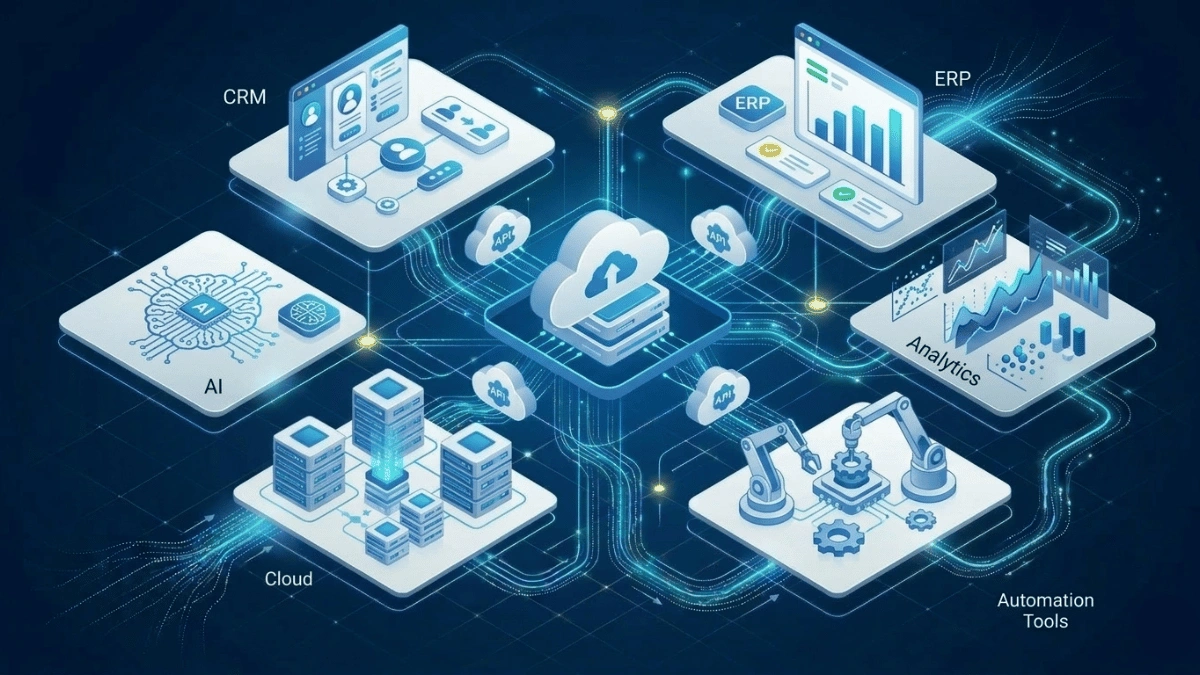
A digital transformation platform is a broad concept referring to an integrated set of technologies and tools that collectively enable an organization’s transformation. Industry experts define it as a centralized architecture for modernizing processes and workflows using data and automation. For example, a digital transformation platform might include cloud infrastructure, data pipelines, analytics engines, AI services, workflow automation, and more – all working together. Gartner describes a related idea (the “digital business technology platform”) as fundamental for scaling digital initiatives enterprise-wide.
Such platforms are not single products but ecosystems. They provide the backbone for the various digital initiatives (customer engagement, operational efficiency, data insights, etc.) to interoperate. Features of DT platforms often include comprehensive integration layers (APIs/microservices), unified data architectures (data lakes, pipeline automation), and tools for collaboration and knowledge sharing. Ultimately, they allow a business to coordinate its digital efforts – for example, linking an ERP system to an e-commerce portal to a mobile app under one architecture.
In practice, many organizations build their DT platform by combining best-of-breed solutions. For instance, a transformation platform might use a cloud provider (AWS, Azure, GCP) as infrastructure, a CRM like Salesforce for customer data, a BI tool for analytics, and a custom microservices layer to tie it all together. The key is that the entire stack is optimized as a cohesive platform, rather than disjointed point solutions. A well-designed digital transformation platform ensures the company can rapidly deploy new capabilities (like IoT sensors or AI modules) across all systems without reinvention, acting as the engine of its digital strategy.
Categories of Digital Transformation
Digital transformation initiatives can fall into several broad categories. Analysts and consultants often classify them as transformations of processes, business models, domains, and culture:
-
Process Transformation: Digitizing and automating core operations (manufacturing, supply chain, finance, etc.) using software and analytics. This might involve replacing paper workflows with automated systems, or using RPA (Robotic Process Automation) to accelerate approval chains.
-
Business Model Transformation: Changing how the organization creates and captures value, often through new digital products or services. For example, a traditional retailer launching an online marketplace or subscription service. Custom software plays a role by enabling these new models (e.g. by building a new digital platform for sales).
-
Domain Transformation: Entering new digital domains – for instance, a brick-and-mortar company rolling out a mobile app or IoT connected devices. This adds new customer touchpoints or service channels. A common example is creating an omnichannel experience through a mobile app that syncs with in-store systems. SmartOSC notes IoT integration here can greatly improve customer experience and agility.
-
Cultural Transformation: Changing the organization’s mindset to embrace digital. This includes training, agile ways of working, and fostering innovation. Tools here might involve learning management systems or collaboration platforms. Significantly, analysts warn that up to 70% of DT efforts fail without a strong culture change – underlining that technology and culture must evolve together.
Any comprehensive digital strategy will involve elements of all these categories. A custom software partner can help in each domain – designing systems that automate and optimize processes, building the platforms needed for new business models, integrating innovative technologies like IoT for domain expansion, and even supporting cultural change by introducing tools that make collaboration and innovation easier.
Digital Transformation Tools and Resources
In practical terms, digital transformation is supported by a wide toolkit. Common categories of software and platforms include (examples of leading products in each area are given in parentheses):
-
Accounting Software: Cloud accounting (e.g. QuickBooks Online, Xero) automates financial tasks like invoicing, payroll, and expense tracking. Digital accounting platforms provide real-time financial visibility and reduce errors.
-
Business Intelligence (BI) Tools: Platforms like Tableau, Power BI or Qlik ingest data from various sources and deliver dashboards and analytics. They uncover trends and support data-driven decisions as mentioned earlier.
-
Customer Relationship Management (CRM) Software: Solutions such as Salesforce, Microsoft Dynamics or HubSpot gather all customer interactions in one place. They automate sales and marketing workflows, enabling personalized engagement and better retention.
-
Enterprise Resource Planning (ERP) Systems: Products like SAP S/4HANA, Oracle ERP Cloud or NetSuite unify core business processes (finance, HR, supply chain). By integrating these departments, ERP systems improve efficiency and give managers a unified data view.
-
Cloud Storage & Collaboration Tools: Services such as Google Drive, Dropbox, OneDrive and collaboration platforms like Microsoft Teams or Slack enable remote work, file sharing and cross-team communication. They form the backbone of a digital workplace, allowing teams to work together from anywhere.
-
Project Management & Collaboration Platforms: Tools like Jira, Asana, Trello, or Monday.com help teams plan and track projects, replacing email chains and paper logs with transparent boards and automated reminders.
-
E-commerce Platforms: Shopify, WooCommerce, and Magento allow businesses to sell products online, handling everything from product catalogs to payment and order processing. These platforms are central to any retail digital strategy.
-
Supply Chain Management (SCM) Software: Solutions such as Oracle SCM Cloud or SAP Integrated Business Planning optimize procurement, inventory and logistics. They improve visibility and agility across the supply chain.
-
Human Resources (HR) Management Software: Tools like Workday, BambooHR, or ADP automate recruiting, onboarding, payroll, and performance management. They digitize HR processes and improve employee experience.
-
Business Process Automation (BPA) & RPA Tools: Platforms like Zapier, Microsoft Power Automate or UiPath automate repetitive tasks across systems. These act as “digital glue” – for example, automating data entry between apps or triggering alerts based on rules.
-
Marketing and Customer Engagement Platforms: Adobe Marketing Cloud, Google Marketing Platform, HubSpot, or Mailchimp provide tools for digital marketing (email, social, ad campaigns) and e-commerce engagement. They help attract and retain customers in the digital realm.
Together, these categories of software form the technology infrastructure of a transformed enterprise. A custom software development partner will often integrate and extend these systems. For example, they might build custom integrations between an ERP and a CRM, or a bespoke analytics dashboard that pulls from multiple platforms. Many companies also invest in platforms for digital transformation – centralized suites that tie data and workflows together. Leading examples of such platforms include Microsoft Power Platform (which combines Power BI, Power Apps, Power Automate), Salesforce’s cloud offerings (for CRM, marketing, commerce), Google Cloud Platform (for scalable infrastructure and AI), and specialized platforms like Acceldata for data observability. Other notable platforms are SAP’s Leonardo (AI/IoT platform), Adobe Experience Cloud (for personalized marketing), ServiceNow (workflow automation), Oracle Cloud Infrastructure, and Tableau’s analytics suite. These platforms often form the foundation of large-scale transformation projects, while custom development customizes and extends them to a company’s needs.
Custom Software: Cornerstone of Transformation and Innovation
In sum, custom software development is often called the cornerstone or enabler of digital transformation. By definition, it empowers businesses to build innovative solutions that off-the-shelf products cannot provide. As a leading press release puts it, tailored software “empowers organizations to tailor solutions that align perfectly with their unique goals and challenges”. In practical terms, this means organizations can rapidly test new ideas: whether it’s a novel customer loyalty program, a data-driven pricing model, or a real-time supply chain dashboard, a custom app can be built and iterated specifically for that purpose. This agility fosters innovation – a bespoke solution isn’t limited by the generic roadmap of a third-party product.
Custom software also provides a strategic advantage. By owning the code and design, a company can continuously optimize and differentiate itself. For example, a retailer could develop a unique recommendation engine or checkout flow that rivals simply copying what a competitor did. This “competitive edge” is one of the key benefits cited by custom software advocates. Additionally, security and compliance can be custom-built into the application, reducing risk and building trust. Over the long term, these unique capabilities and efficiencies compound to significant ROI (return on investment). Indeed, industry sources report that digital transformation programs leveraging custom development often see 25–40% improvement in efficiency and major gains in growth and productivity.
Without custom development, many digital initiatives stall. Legacy systems remain silos, process gaps persist, and the full promise of data and automation goes unrealized. A skilled software development partner breaks these constraints. They translate a company’s transformation vision into working technology – essentially turning strategy into software. As one transformation firm puts it, “custom software development is pivotal in digital transformation initiatives”, because it provides the flexibility, scalability, and integration needed to adapt processes and meet specific goals.
Why Many Digital Transformation Projects Fail
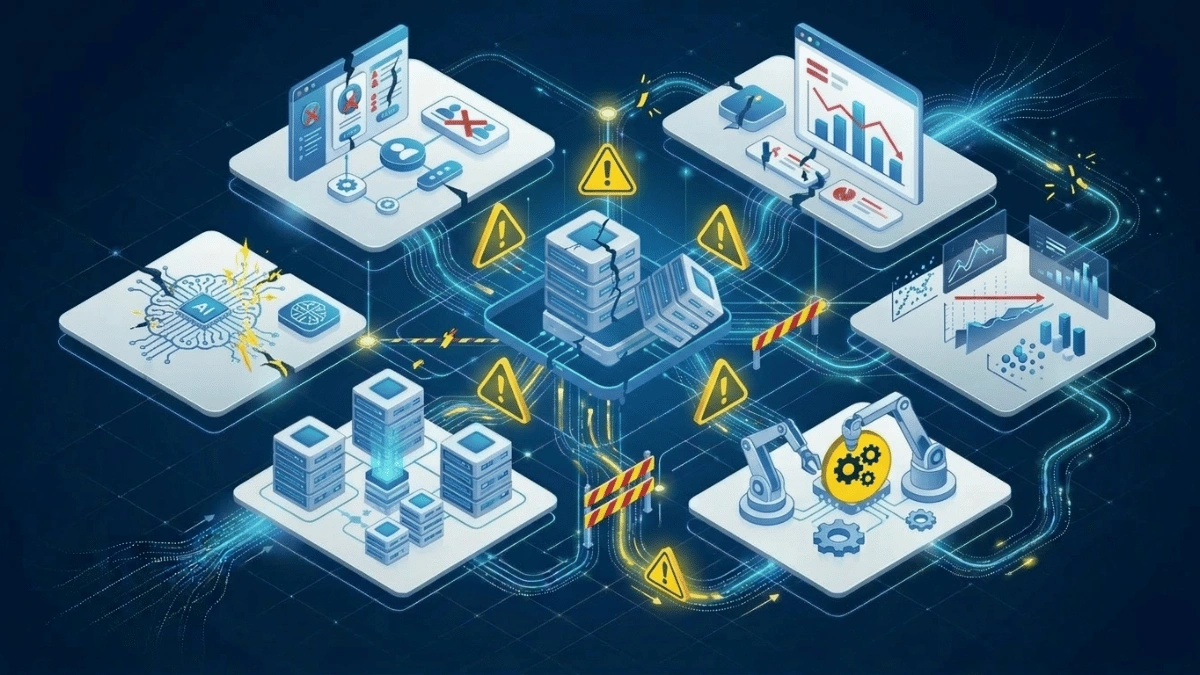
Before diving into execution, it’s worth acknowledging a sobering reality: a large proportion of digital transformation projects fail to meet objectives. McKinsey research famously estimates about 70% of transformations fall short. The causes often have less to do with technology and more to do with organizational and planning issues.
A common pitfall is neglecting the human side of change. Introducing new software and processes often faces resistance without a coordinated change management strategy. Research from Prosci indicates that projects with strong change management are 7 times more likely to succeed; in fact, 88% of teams that rated their change management as excellent met their goals, compared to only 13% of those with poor change efforts. In other words, when companies invest in helping their people adopt the new systems (through training, communication, executive sponsorship), outcomes dramatically improve.
Culture is another critical factor. Analysts warn that up to 70% of digital initiatives fail without a strong culture shift. This means building a digital mindset – encouraging data-driven decision making, experimentation, and customer-centricity – must go hand-in-hand with technology upgrades. If leaders only focus on buying new tools and neglect team readiness, projects often disappoint.
Other factors include poor strategy or vision. Some companies “lift and shift” existing processes onto new platforms without rethinking them, ending up with digital versions of inefficient workflows. Also, overly ambitious projects without clear milestones can bog down. Legacy technical debt is another culprit: old systems that weren’t updated gradually can clash with new software, causing integration headaches. All these issues underscore the need for the right partner.
A seasoned custom software development company helps mitigate these risks. They typically start with a needs assessment and roadmap (to avoid scope creep), and work iteratively (agile sprints) to show value quickly. They also often assist with change management – for example, designing intuitive UIs and training programs that encourage user adoption. In short, many failed transformations teach us that technology works only when combined with planning, process change, and people alignment. A qualified partner provides both the technical skill to build custom solutions and the consulting experience to navigate these human factors.
Limitations of Legacy Systems
Legacy systems – outdated software that an organization still relies on – can be a major barrier to transformation. These may be homegrown applications from decades past or old licensed software that no longer meets modern requirements. They often suffer from inflexibility, lack of integration, and hidden technical debt. For example, older enterprise databases might be on-premises and incompatible with cloud services, or a customer database might be siloed and unable to sync with modern marketing tools. The result is data duplication, manual reconciliation, and missed opportunities for automation.
Custom software development offers a bridge over these legacy gaps. It can either modernize the old system (rewriting it for modern infrastructure) or wrap it with new interfaces. A common pattern is to build a new custom front-end or API layer that talks to the legacy backend, exposing its data in a safer and more flexible way. This allows companies to extract value from their existing systems while incrementally upgrading them. As GCD Tech notes, legacy systems can “become incompatible, hard to integrate or maintain” over time. By contrast, bespoke development can “link systems, automate tasks and improve productivity”, effectively replacing the roles of those rigid legacy tools.
Ultimately, tackling legacy limitations is a core part of many transformation journeys. Any digital overhaul project must address what to do with the old systems – whether to replace them entirely or integrate them. Custom development teams have proven strategies for this. In one example, a charity moved from an on-site CRM to a new cloud CRM system: the change gave them 24/7 remote access and enterprise-grade scalability that their old solution couldn’t provide. In another scenario, a company replaced disjointed Excel-based workflows with a unified custom platform (as we saw with Mindit’s manufacturing client), instantly making the process flow digital and real-time.
Addressing legacy systems is often a prerequisite to any further transformation. It means turning incompatible, outdated systems into modern services and platforms that can interoperate. Custom software development companies specialize in this, using techniques like service wrappers, data migration, and re-architecting. By overcoming the limitations of legacy infrastructure, they unlock the data and functionality needed for true end-to-end digital operations.
Choosing the Right Software Development Partner
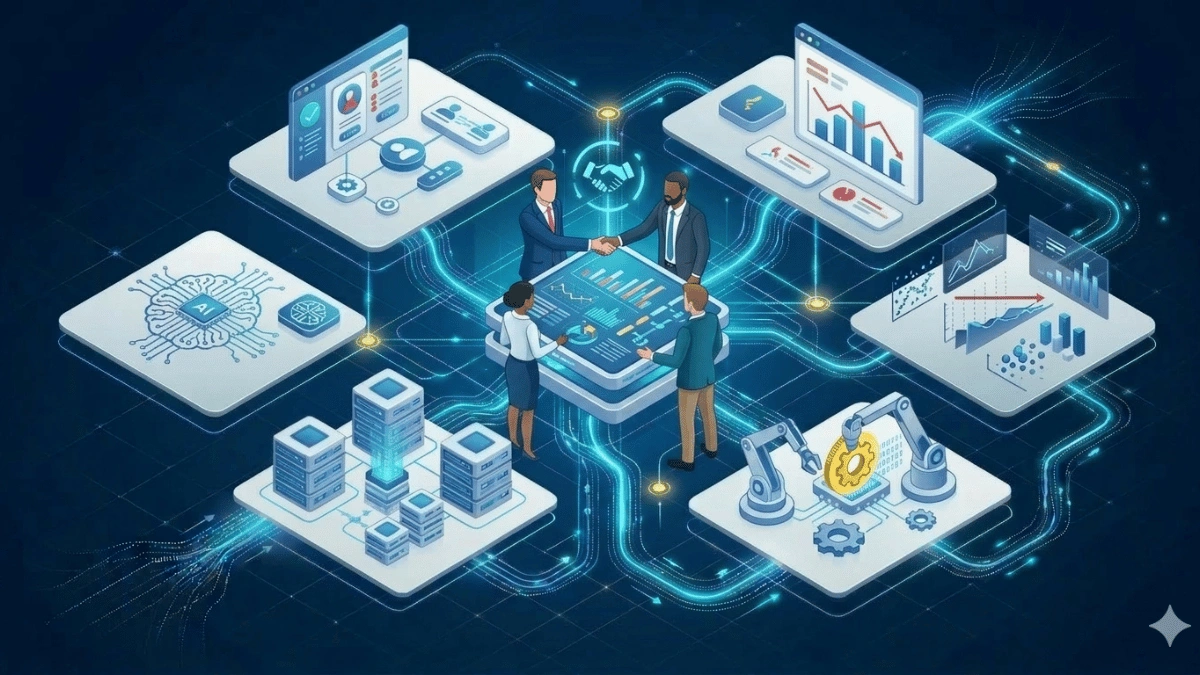
Digital transformation is a journey no company should take alone. A capable custom software development partner not only provides the technical expertise but also guides strategy, architecture, and change management. The right partner will start with a thorough needs assessment, working to understand your business objectives, challenges, and existing processes in depth. They should help define a realistic roadmap for transformation, with clear milestones.
According to industry experts, key traits to look for in a partner include:
- Proven Track Record: Evidence of successful custom projects in your industry or technology area. Case studies and client testimonials demonstrate their experience.
- Technical Expertise: Knowledge of the latest technologies (cloud platforms, AI/ML tools, IoT, etc.) and best practices (cybersecurity, scalable architecture).
- Agile Process: Use of iterative, Agile development methods so you see working software early and can adjust requirements as you go.
- Strong Communication: Ability to bridge IT and business teams, with transparent progress reporting and collaborative design.
- Cultural Fit: A partner that understands your company culture and is flexible to match your way of working. This can ease change management.
- Post-Launch Support: A plan for maintenance, future enhancements and user training, since transformation is ongoing.
As Travash advises, top-tier IT companies combine “domain expertise with innovative technologies to deliver impactful solutions”. In other words, look for a partner who will architect not just software, but an enterprise-grade architecture that meets today’s needs and can grow with you.
For those companies wondering “Are you looking for a custom software development partner?,” this is a critical consideration. At Digioxide Technologies Private Limited, our custom software development services are designed to exactly meet this need. Our teams specialize in building modular, enterprise-grade architectures for transformation, often leveraging cloud-native microservices and AI-driven components. By working with us, businesses gain not only code, but a strategic collaborator. We help define KPIs, integrate with the tools listed above, and ensure the new system embeds into the company’s operations smoothly.
Ultimately, the right partner drives success. They understand both the competitive business landscape and the technical possibilities. They will help you avoid the common pitfalls described earlier – ensuring strong change management and keeping the project aligned with real objectives. The partner’s expertise becomes a multiplier, translating digital transformation goals into real products and results.
Key Contributions of IT Companies to Digital Transformation
To summarize how an IT partner typically contributes to your transformation:
-
Consultation & Needs Analysis: They begin by consulting with stakeholders to map out business goals and pain points. This can involve workshops, surveys, and audits of current systems.
-
Solution Design & Prototyping: Based on the requirements, they architect a solution. This often includes UX/UI design – creating prototypes or mock-ups of the user experience. Early design iterations ensure the end product will meet real user needs.
-
Development & Integration: Using agile sprints, the partner builds the software in phases. They write code, integrate APIs, and connect the new software to existing tools (ERP, CRM, databases). Regular demos and reviews keep the business involved. For example, they might integrate an AI analytics service in one sprint, and implement a mobile interface in the next.
-
Quality Assurance & Testing: They rigorously test the software – both through automated tests and user acceptance testing – to ensure it meets requirements and is robust.
-
Deployment & Migration: They handle the actual rollout, which may involve migrating data from old systems, setting up cloud infrastructure, and configuring environments for production.
-
Training & Change Support: Often underestimated, good partners provide training for users and administrators, documentation, and change management support. This ensures the organization can adopt the new system effectively.
-
Maintenance & Evolution: After launch, digital transformation continues. The partner supports ongoing maintenance and can add new features or integrations as the company’s needs evolve. They monitor performance and help optimize the solution over time.
In each phase, a strong software partner brings in technical knowledge (e.g. current frameworks and security practices) and industry insight (best practices from other projects). This end-to-end partnership model is what allows custom development to truly redefine the business through technology.
Digital Transformation Platforms – Top Picks
Finally, it’s helpful to know which platforms and tools are leading the digital transformation wave. While custom solutions are key, many organizations also adopt major transformation platforms to accelerate their initiatives. Some of the most prominent platforms (as highlighted in industry reports) include:
- Acceldata Data Observability: Provides visibility over complex data pipelines, ensuring reliability and performance of analytics.
- Microsoft Power Platform: A suite (Power BI, Power Apps, Power Automate, Power Virtual Agents) that lets businesses build and automate apps/analytics quickly.
- Salesforce: Beyond its CRM, Salesforce offers marketing, commerce, and analytics tools that support both customer-facing and internal transformations.
- SAP Leonardo: An innovation platform combining AI, IoT, and analytics to enhance existing SAP enterprise systems.
- Google Cloud Platform (GCP): Offers scalable compute, storage, and advanced AI/ML services. GCP is popular for data-driven transformations and cloud migrations.
- IBM Cloud & Transformation Services: IBM provides a broad stack of AI, cloud and consulting services across industries, suited for large-scale enterprise projects.
- Adobe Experience Cloud: Focused on marketing and customer experiences, Adobe’s suite helps personalize engagement across channels.
- ServiceNow: Known for IT Service Management, ServiceNow’s platform also automates a wide range of business workflows (HR, customer service, etc.).
- Oracle Cloud Infrastructure (OCI): Comprehensive cloud offering with strong enterprise databases, analytics, and IoT support.
- Tableau: A powerful data visualization and analytics platform, now part of Salesforce, that helps organizations explore and share data insights.
Each of these platforms shines in specific areas, and many businesses adopt them as part of their transformation stack. A custom software partner often works alongside these platforms, integrating them or building on top of them to create a unified solution. For example, they might connect an SAP Leonardo IoT solution to custom supply-chain apps, or extend Salesforce with custom mobile applications. By combining proprietary platforms with custom-built components, organizations harness the best of both worlds – leading-edge capabilities plus bespoke differentiation.
Conclusion
Digital transformation is not a one-time project but a continuous evolution. A custom software development company can be the catalyst that drives this evolution forward, by building the exact tools a business needs for the future. Through tailored efficiency, process automation, enhanced UX, AI/ML integration, and cloud agility, custom software turns an organization’s vision into reality. In partnership with proven platforms (CRM, ERP, analytics, etc.), it creates an integrated digital ecosystem. The results speak for themselves: companies working with expert development partners often report 25–40% gains in efficiency and faster ROI, along with measurable improvements in customer satisfaction and growth.
However, it’s crucial to remember that technology is only part of the equation. Cultural change, clear strategy, and skilled execution are what make digital transformation succeed. According to industry research, organizations that excel at change management are seven times more likely to achieve their goals. That’s why choosing an experienced custom software partner – one who understands both the tech and the people side – is essential.
If your business is embarking on a digital overhaul, consider working with a custom software development company like Digioxide Technologies Private Limited. Our expertise in custom software development services and enterprise-grade architecture can help you align technology with strategy. By blending emerging technologies (AI, cloud, IoT) into solutions crafted for your needs, we’ll help your organization innovate, adapt, and thrive in the digital age.
